
Happy dog lying in green grass outdoors in Santa Clarita, where mosquito exposure can increase the risk of heartworm disease
In Santa Clarita, the warm climate and outdoor lifestyle make it easy to spend time outside with your pet. Mosquitoes may not always be noticeable, but they are part of the environment, especially around irrigated yards, shaded areas, and standing water.
Because just a single mosquito bite can transmit heartworm, even limited exposure can put pets at risk. At Cinema Veterinary Centre, we emphasize heartworm prevention in Santa Clarita CA as an important part of keeping pets healthy year-round.
What Is Heartworm Disease?
Heartworm disease is caused by parasitic worms that live in the heart, lungs, and surrounding blood vessels. It is spread through mosquito bites, allowing larvae to enter the bloodstream and develop into adult worms over time.
Dogs are most commonly affected, but cats can also develop heartworm disease.
Heartworm Risk Factors in Santa Clarita

Santa Clarita’s environment supports mosquito activity in ways that are not always obvious.
Common risk areas include:
- Irrigated lawns and landscaping
- Outdoor pet water bowls
- Birdbaths and decorative fountains
- Shaded patios and garden areas
- Standing water after watering or rainfall
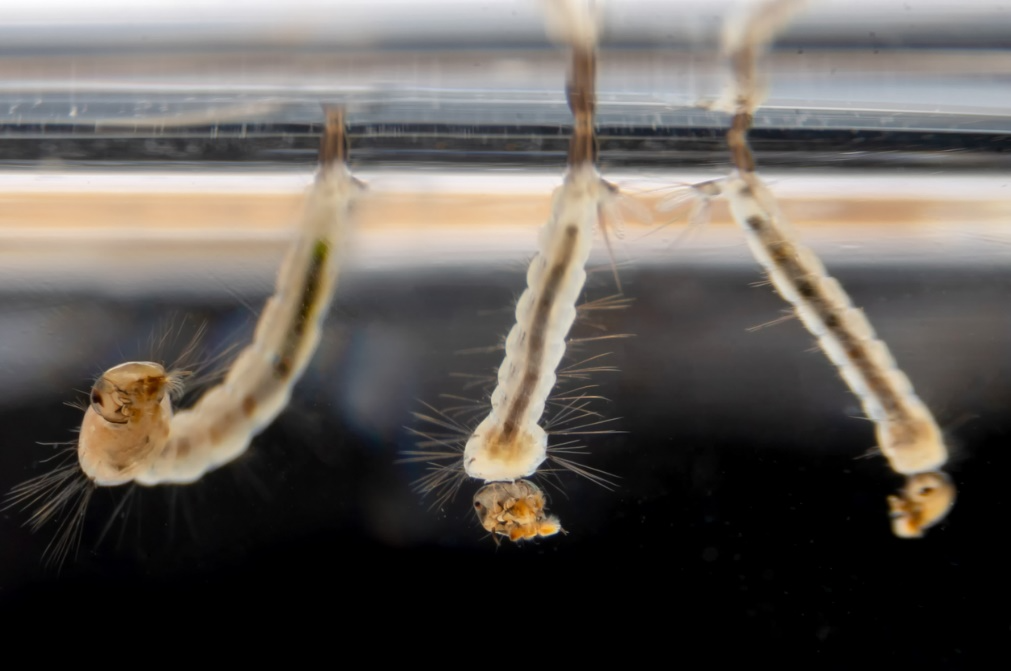
Even something as small as a bottle cap of water, a plant saucer, or a small puddle in a shaded corner can provide enough moisture for mosquitoes to develop. Because these areas are often close to home, pets may be exposed without it being obvious. This is why heartworm prevention in Santa Clarita CA is recommended as part of routine care.
How Pets Become Infected
When a mosquito feeds on an infected animal, it picks up microscopic larvae. When it bites another pet, those larvae enter the bloodstream and develop over several months into adult worms that live in the heart and lungs.
By the time symptoms appear, the disease is often well established.
Signs of Heartworm Disease
Dogs:
- Persistent cough
- Decreased energy
- Difficulty exercising
- Weight loss
- Breathing changes
Cats:
- Coughing or asthma-like symptoms
- Vomiting
- Decreased appetite
- Sudden or severe respiratory distress
Cats may show subtle signs or sudden changes, and treatment options are limited.
Why Heartworm Prevention in Santa Clarita CA Is So Important
Preventing heartworm is significantly easier than treating it.
For dogs:
- Treatment is complex and requires strict activity restriction
- Multiple visits are needed
- There is a risk of complications
For cats:
- There is no approved treatment to eliminate adult heartworms
- Care focuses on managing symptoms
Preventive medications provide a safe and effective way to protect pets. This makes heartworm prevention in Santa Clarita CA a key part of preventive veterinary care.
According to the American Heartworm Society, heartworm disease has been diagnosed in all 50 states, and they recommend year-round prevention for pets, even in regions where mosquito exposure may seem limited.
When to Schedule a Visit
You should contact your veterinarian if:
- Your pet is not currently on heartworm prevention
- A dose has been missed
- You notice changes in breathing or energy levels
- Your pet is due for routine testing
At Cinema Veterinary Centre, our Fear Free approach focuses on making veterinary visits as calm and comfortable as possible while providing thorough preventive care, including heartworm prevention in Santa Clarita CA.
Supporting Your Pet’s Health Year-Round
Heartworm disease is preventable, and with the right plan, protecting your pet can be simple and stress-free.
If you have questions about heartworm prevention in Santa Clarita CA or would like to schedule an appointment, the team at Cinema Veterinary Centre is here to help you make informed decisions for your pet’s long-term health.
Frequently Asked Questions About Heartworm
Can indoor pets get heartworm?
Yes. Mosquitoes can enter homes, putting indoor pets at risk.
Do pets in Santa Clarita need heartworm prevention year-round?
Yes. Consistent heartworm prevention in Santa Clarita CA helps protect against exposure throughout the year.
Does my pet need to be tested for heartworm before starting heartworm prevention?
Yes. Dogs should be tested for heartworm before starting prevention. This helps ensure your dog is not already infected, as giving preventive medication to a dog with an existing infection can lead to complications.
If a dog already has heartworm disease, starting preventive medication without testing can cause complications. As immature worms die, the body may react with inflammation, which can lead to coughing or discomfort. In addition, adult worms may remain undetected, allowing the disease to progress.
For cats, we may recommend testing in some cases, but prevention is often started based on risk and lifestyle. Your veterinarian can help determine what is appropriate for your pet.
What should I do if my pet misses a dose?
If your pet misses a dose, contact your veterinarian for guidance. In many cases, prevention can be restarted, but your veterinarian may recommend heartworm testing depending on how long doses were missed. Staying on a consistent schedule is important, as missed doses can leave your pet unprotected.
How often should I bring my pet in for heartworm testing?
We typically test dogs once a year, even if they are on prevention, to ensure they remain protected.
For cats, routine testing is not always performed in the same way because heartworm is more difficult to detect. However, your veterinarian may recommend testing based on your cat’s risk factors, lifestyle, and any signs of respiratory illness.
Is heartworm medication by prescription only?
Yes. Heartworm prevention medications require a prescription from a veterinarian. This ensures your pet is evaluated before starting prevention and, for dogs, confirms they are not already infected. Your veterinarian can also recommend the most appropriate product based on your pet’s health, lifestyle, and risk of exposure.