
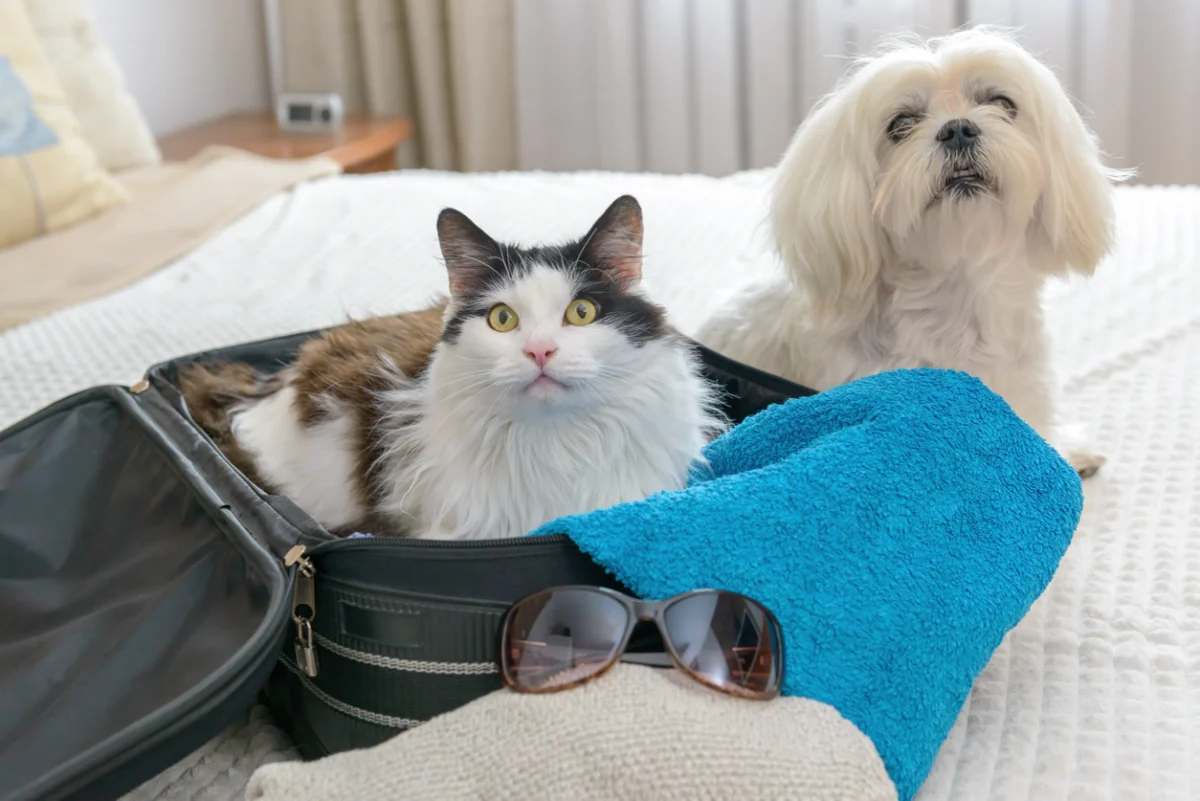
Before You Leave, Make Sure Your Pet Is Ready for Boarding, Road Trips, and Summer Travel
As summer approaches in Santa Clarita and throughout Southern California, many families begin planning vacations, road trips, and weekend getaways. Whether your pet will be joining you on the trip or staying at a boarding facility, daycare, or with a pet sitter, a little preparation can help prevent problems and make the experience much easier for both you and your pet.
Using a pet boarding and travel checklist before your trip can help ensure your dog or cat stays healthy, comfortable, and safe. It can also help you avoid last-minute surprises such as expired vaccines, forgotten medications, or travel stress.
At Cinema Veterinary Centre, we recommend planning several weeks ahead so there is plenty of time for exams, vaccines, medication refills, and any paperwork your pet may need.
Schedule a Wellness Exam Before Your Trip
One of the most important items on your pet boarding and travel checklist is scheduling a wellness exam several weeks before you leave.
Many boarding facilities require proof that your pet is healthy and current on vaccines. If your pet is traveling with you, a wellness exam gives your veterinarian an opportunity to make sure your pet is healthy enough for travel and to discuss any concerns.
A pre-travel or pre-boarding exam is especially important if your pet:
- Has not been seen recently
- Takes medications
- Is a senior pet
- Has a chronic medical condition
- Will be flying or traveling long distances
- Has never been boarded before
- Has anxiety or is easily stressed
For some pets, travel or boarding can be stressful enough to trigger stomach upset, anxiety, or other health issues. Your veterinarian at Cinema Veterinary Centre can help you prepare in advance.
Make Sure Vaccines Are Up to Date
Updated vaccines are one of the most important parts of a pet boarding and travel checklist.
Most boarding kennels, daycare facilities, and groomers require dogs to be current on:
- Rabies
- Distemper/parvo
- Bordetella (kennel cough)
- Canine influenza in some facilities
Cats that will be boarded often need:
- Rabies
- FVRCP
- Sometimes feline leukemia depending on the facility
Even if your pet is not being boarded, travel often means exposure to unfamiliar places, other animals, and more germs than usual. Updating vaccines before your trip can help protect your pet.
If you are planning to cross state lines, some destinations, hotels, campgrounds, or airlines may require vaccine records.
Refill Medications and Preventives
Do not wait until the night before your trip to discover you are running low on medication.
Before you leave, make sure you have enough of your pet’s:
- Prescription medications
- Heartworm prevention
- Flea and tick prevention
- Anxiety medication if prescribed
- Special food or supplements
Bring extra medication in case your travel plans change, or you are delayed.
Even in Southern California, mosquitoes, fleas, and ticks can be active during the warmer months. This is especially true if your pet will be outdoors, boarding, hiking, traveling, or spending time in grassy areas around Santa Clarita.
If Your Pet Is Flying
Flying can be stressful for pets, especially if they have never flown before. If you plan to travel by air, check the airline’s rules well in advance. Airlines often have specific requirements for carriers, vaccine records, health certificates, and the size of the pet.
Before flying:
- Make sure your pet’s carrier meets airline requirements
- Allow your pet time to get used to the carrier before the trip
- Confirm whether your airline requires a health certificate
- Bring copies of vaccine records and microchip information
Pets that are older, have heart or breathing problems, or have short noses and flat faces such as Bulldogs, Pugs, Boston Terriers, Persian cats, and Himalayan cats may have a harder time handling the stress of air travel. Ask your veterinarian at Cinema Veterinary Centre whether flying is safe for your pet before making plans.
Flying In and Out of the United States
If you will be traveling with your pet in or out of the United States, review the current travel requirements well in advance. Your pet may need specific vaccinations, paperwork, or a health certificate before travel.
For current requirements, visit the Centers for Disease Control and Prevention travel page: CDC Pet Travel Information.
If Your Pet Is Traveling by Car
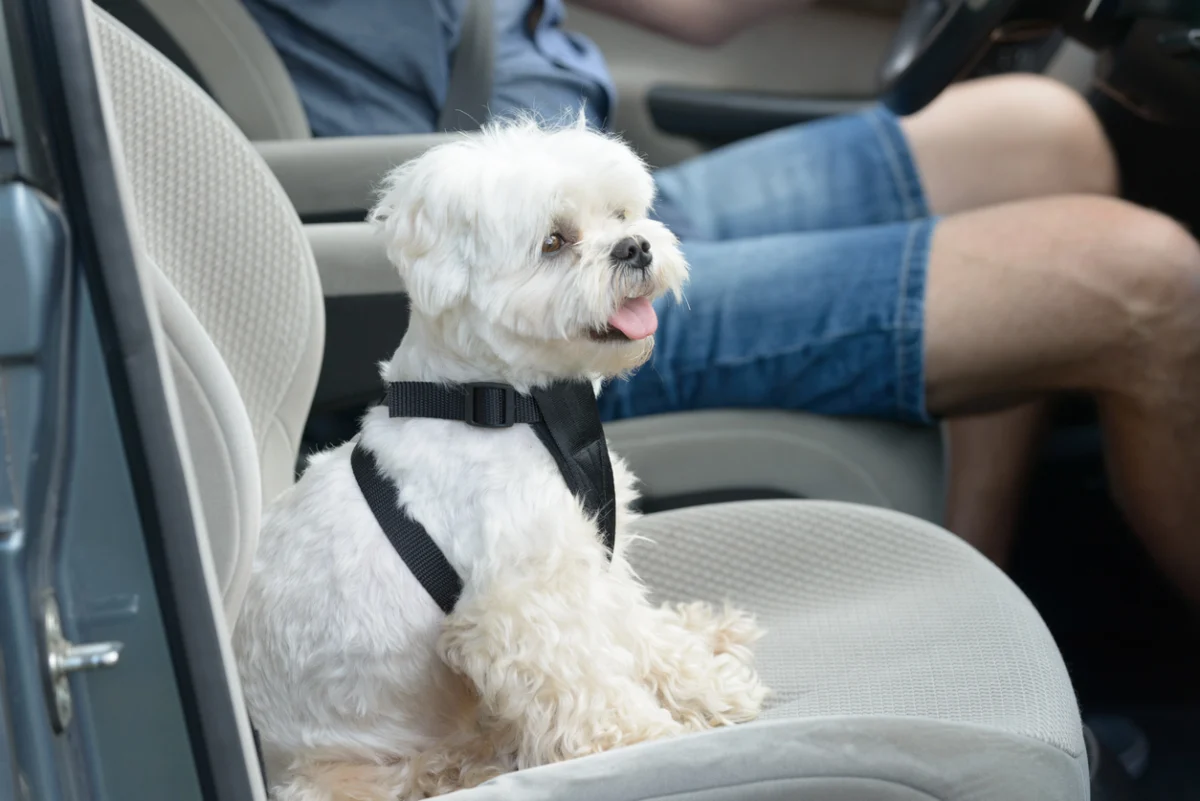
If your pet is riding in the car with you, never allow them to roam freely in the vehicle. Pets are safest in a crate, carrier, or pet seatbelt harness.
An unrestrained pet can become a dangerous projectile during a sudden stop or accident. A small dog in a crash can strike with tremendous force, injuring both your pet and the people in the vehicle.
During road trips:
- Never leave your pet alone in a parked car
- Offer water regularly
- Stop for breaks every few hours
- Feed lightly before traveling if your pet gets carsick
- Keep cats in a secure carrier at all times
- Bring familiar toys or blankets to help your pet feel more comfortable
If your pet becomes anxious or carsick, talk with your veterinarian at Cinema Veterinary Centre before the trip. There may be safe medications or strategies that can help.
Temperature is especially important during Southern California summers. Never leave your pet alone in a parked car, even for a few minutes. Temperatures inside a vehicle can become dangerously high very quickly.
The American Veterinary Medical Association notes that the temperature inside a car can rise nearly 20 degrees in just 10 minutes, even with a window cracked open. On a 70-degree day, the temperature inside a parked car can rise to 89 degrees in only 10 minutes and over 100 degrees within 30 minutes.
For more information about keeping pets safe in vehicles and during travel, visit the American Veterinary Medical Association resource: AVMA Pet Safety in Vehicles.
If you are traveling with your pet:
- Keep the air conditioning on
- Bring water and offer it often
- Avoid long walks or rest stops during the hottest part of the day
- Watch for signs of overheating such as excessive panting, drooling, weakness, vomiting, or collapse
Flat-faced breeds, older pets, overweight pets, and pets with thick coats may overheat especially quickly.
If Your Pet Will Be Boarded
Many people are surprised to learn that boarding facilities often fill up quickly for summer vacation times and holiday weekends such as Memorial Day and July 4th.
Reserve your pet’s spot early and ask what paperwork is required. Some facilities may require:
- Vaccine records
- Emergency contact information
- Medication instructions
- Feeding instructions
- A signed release form
If your dog or cat has never been boarded, consider helping them get used to the experience before your trip.
You may want to:
- Schedule a short daycare visit first
- Let your pet spend one night at the boarding facility before a longer stay
- Visit the facility in advance so you can see where your pet will stay
- Ask what the daily routine is like
When choosing a boarding facility, ask:
- How often pets are walked or let out
- Whether someone is there overnight
- What happens if a pet becomes sick
- Whether they can give medications
- How they handle anxious pets
Pack a Travel Bag for Your Pet
No matter how your pet will be cared for, it helps to pack a bag with everything they may need.
Your pet’s travel bag should include:
- Food for the entire trip plus extra
- Food and water bowls
- Leash, collar, and harness
- Carrier or crate
- Favorite toy or blanket
- Waste bags or litter supplies
- Medications
- Vaccine records
- Emergency contact numbers
- Your veterinarian’s contact information
Packing these items ahead of time can help prevent last-minute stress and make sure your pet has familiar items wherever they stay.
Download Our Free Pet Travel Checklist
For your convenience, Cinema Veterinary Centre has created a Pet Travel Checklist PDF to help you make sure you have everything your dog or cat needs before travel day.
Download Our Pet Travel Checklist PDF
If Your Pet Is Staying with a Pet Sitter
If your pet is staying at home with a pet sitter, leave detailed written instructions rather than relying on memory. Even experienced pet sitters can forget details when caring for multiple pets.
Consider posting or printing:
- A feeding schedule
- How much to feed and when
- Medication instructions
- Any food allergies or foods to avoid
- Normal routines and favorite hiding places
- Your veterinarian’s name and phone number
- The name and phone number of the nearest emergency veterinary hospital
- A backup contact in case you cannot be reached
Many pets are less stressed when they can remain in their own home, but clear instructions can help ensure everything goes smoothly.
Ask your pet sitter to pay attention to temperature as well. In late spring and summer, homes, patios, and backyards can become much warmer than expected.
Tell your pet sitter:
- Never leave your pet outside for long in hot weather
- Make sure your pet always has access to fresh water
- Keep indoor areas cool with fans or air conditioning if needed
- Avoid walks during the hottest part of the day
- Watch for signs of overheating, especially in older pets, overweight pets, flat-faced breeds, and pets with thick coats
Download Our Common Foods Toxic to Pets Checklist
Many everyday foods that seem harmless can be dangerous for dogs and cats. To make it easier to keep track of the most common foods to avoid, Cinema Veterinary Centre has created a Common Foods Toxic to Pets PDF that you can print or keep handy for pet sitters, grandparents, or anyone caring for your pet.
Download Our Common Foods Toxic to Pets PDF
Update Identification and Microchip Information
Spring and summer are common times for pets to become lost. A pet may slip out of a hotel room, get loose at a rest stop, or escape from a boarding facility during drop-off or pickup.
Before your trip:
- Make sure your pet is wearing a collar with an ID tag
- Double-check that the phone number on the tag is correct
- Update your pet’s microchip information if you have moved or changed phone numbers
Microchips are only helpful if the information attached to them is current.
Make Summer Travel Easier for You and Your Pet
A little preparation can make a big difference. Following a pet boarding and travel checklist can help keep your dog or cat healthy, reduce stress, and prevent unexpected problems while you are away.
If your pet needs a wellness exam, updated vaccines, medication refills, or advice before summer travel or boarding, Cinema Veterinary Centre is here to help. Our team provides personalized care and a Fear Free approach to help make visits less stressful for both you and your pet.