
It only takes one unexpected encounter with an animal that has rabies to put your pet’s life at risk. Pets are naturally curious, and a single encounter with infected wildlife can expose them to this deadly disease. Keeping your dog’s or cat’s rabies vaccine current is one of the simplest and most effective ways to protect them.
Understanding how rabies spreads, recognizing potential exposures, and knowing what to do if your pet encounters wildlife can help protect both your pet and your family.
What Is Rabies?
Rabies is a viral disease that attacks the nervous system of mammals, including dogs, cats, wildlife, and people. The virus is spread primarily through the saliva of an infected animal, most commonly through a bite. In rare cases, rabies can also be transmitted if infected saliva comes into contact with an open wound or the eyes, nose, or mouth.
Once clinical signs appear, rabies is almost always fatal. Fortunately, routine vaccination is highly effective at preventing the disease, making it one of the most important vaccines your pet receives.
Rabies Risks in Southern California
Although rabies is uncommon in vaccinated pets, it continues to be found in wildlife throughout California every year. Bats are the primary carriers of rabies in the state, but skunks and other wild mammals can also carry the virus. Because wildlife and pets occasionally come into contact, keeping your dog’s or cat’s rabies vaccine current remains one of the best ways to protect them. The Los Angeles County Department of Public Health also provides current information about rabies, wildlife exposures, and what to do if a person or pet may have been exposed.
Whether your dog enjoys neighborhood walks, visits local parks, or accompanies your family on hikes around the Santa Clarita Valley, unexpected encounters with wildlife can happen. Outdoor cats also face an increased risk because they are more likely to investigate or hunt wild animals.
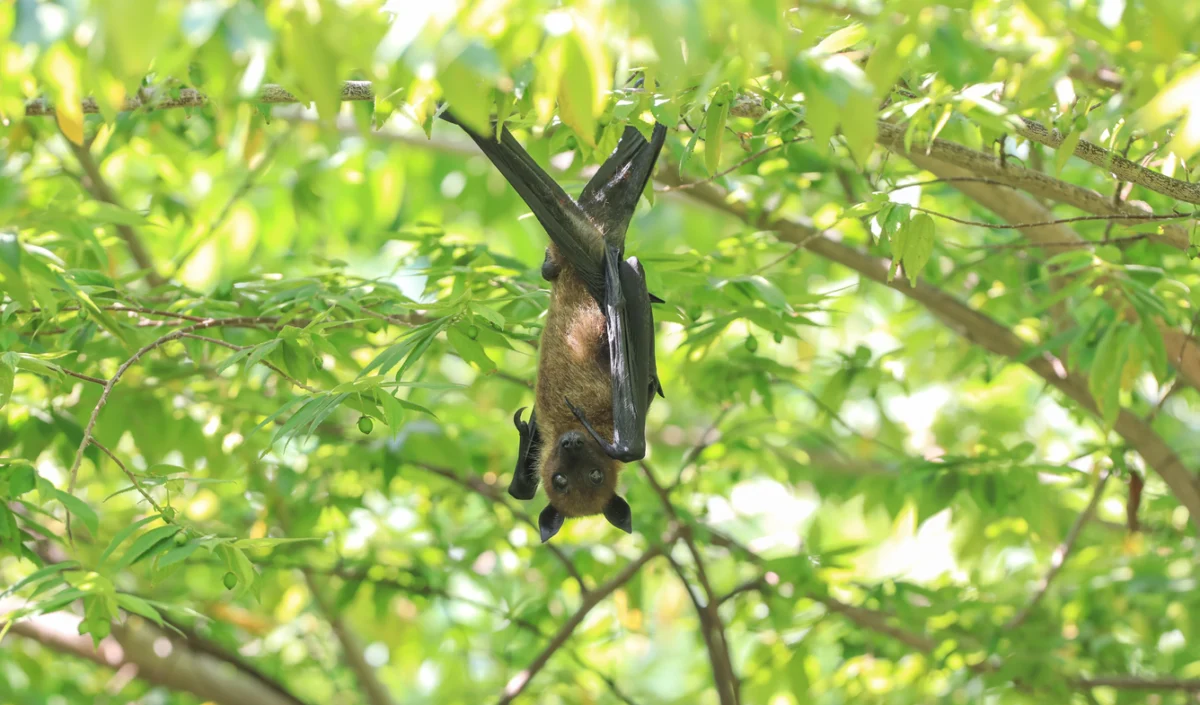
Wildlife that can carry rabies in Southern California includes:
- Bats
- Skunks
- Foxes
- Coyotes
- Raccoons and other wild mammals, although less commonly
Animals with rabies do not always behave aggressively. Some may appear unusually friendly, disoriented, weak, unable to walk normally, or active during times they would normally be resting.
Never approach, feed, or attempt to rescue unfamiliar wildlife. If you encounter a wild animal behaving strangely, keep your distance and contact your local animal control agency. If the animal has bitten or scratched a person or pet, seek medical or veterinary care immediately.
How Rabies Spreads
Rabies is most transmitted through the bite of an infected animal because the virus is present in saliva.
Dogs and cats may be exposed when they:
- Investigate or fight with wildlife.
- Find an injured or sick bat.
- Encounter skunks or other wild animals in the yard.
- Explore parks, hiking trails, or other areas where wildlife is present.
Although bites are the most common source of infection, any contact between infected saliva and an open wound or the eyes, nose, or mouth should be treated as a potential exposure.
If your pet has been bitten or you suspect they have had contact with an animal that may have rabies, contact Cinema Veterinary Centre immediately. Prompt evaluation allows us to recommend the most appropriate next steps based on your pet’s vaccination status and the circumstances of the exposure.
Rabies Vaccine for Dogs
Dogs are naturally curious and often investigate unfamiliar animals, putting them at greater risk of encountering wildlife.
A rabies vaccine for dogs is one of the most effective ways to protect your pet from this deadly disease. Vaccination not only helps protect your dog if they are exposed, but it also helps protect your family and the community by reducing the risk of rabies transmission.
Even dogs that spend most of their time indoors are not completely protected from unexpected wildlife encounters. Walks through the neighborhood, visits to parks, or time spent in the backyard can all create opportunities for exposure.
Keeping your dog’s rabies vaccine current provides the best protection if an unexpected encounter occurs.
Rabies Vaccine for Cats
A rabies vaccine for cats is an important part of protecting your cat from rabies. Cats that spend time outdoors are more likely to encounter wildlife, making vaccination an important part of their preventive healthcare.
Outdoor cats are more likely to encounter wildlife. However, veterinarians also recommend rabies vaccination for indoor cats because unexpected exposures can occur. An indoor cat may accidentally get outside, creating an opportunity for contact with infected wildlife.
Keeping your cat’s rabies vaccine current helps protect your cat if an unexpected exposure ever occurs.
What Should You Do If Your Pet Is Exposed to Rabies?
If your dog or cat is bitten by a wild animal—or if you suspect they have had contact with an animal that may have rabies—do not wait for signs of illness. Contact Cinema Veterinary Centre as soon as possible.
Our veterinary team will evaluate the situation based on your pet’s vaccination status, the type of exposure, and the animal involved. Depending on the circumstances, your pet may need a rabies booster vaccination, a period of observation, or additional recommendations to help protect their health.
If possible, avoid handling or attempting to capture the wild animal yourself. Instead, report the incident to your local animal control agency so it can be handled safely.
If your pet has suffered a bite wound or other injury, prompt veterinary care is also important because bite wounds can cause serious infections, tissue damage, and other complications in addition to the risk of rabies.
Internal Link: Learn more about Cinema Veterinary Centre’s Urgent Care services if your pet has been bitten or injured by another animal.
California Rabies Vaccine Requirements
California law requires dogs to be vaccinated against rabies by four months of age. After the initial vaccination, booster vaccines are given according to state law and the vaccine manufacturer’s recommendations.
Although California does not require rabies vaccination for cats, veterinarians strongly recommend it. Cats can be exposed through encounters with wildlife, and vaccination provides important protection for both your pet and your family.
During your pet’s wellness visit, the team at Cinema Veterinary Centre can recommend the appropriate rabies vaccination schedule based on your pet’s age, medical history, and lifestyle.
How Cinema Veterinary Centre Can Help

At Cinema Veterinary Centre, we believe prevention is one of the best ways to keep pets healthy. Routine wellness exams and vaccinations help protect dogs and cats from serious diseases such as rabies while allowing us to monitor their overall health.
Whether your puppy is ready for its first rabies vaccine, your adult dog is due for a booster, or your cat needs protection against rabies, our team is here to help.
If your pet has been bitten or scratched by wildlife, or you are concerned they may have been exposed to rabies, contact Cinema Veterinary Centre right away. Prompt evaluation allows us to recommend the most appropriate treatment and help protect your pet’s health.
Keeping your pet current on rabies vaccination remains one of the simplest and most effective ways to protect them from this preventable disease.
At Cinema Veterinary Centre, we provide preventive care, vaccinations, and wellness services to help keep pets healthy throughout every stage of life. As a Fear Free Certified Practice, we are committed to making veterinary visits as comfortable and low-stress as possible for both pets and their families. Learn more about our Services or contact us to schedule your pet’s next visit.
Frequently Asked Questions
Does my indoor cat need a rabies vaccine?
Yes. Although indoor cats have a lower risk of exposure, unexpected situations can occur. An accidental escape outdoors or contact with wildlife can expose a cat to rabies. Vaccination helps provide important protection should an exposure ever occur.
Can a vaccinated dog still get rabies?
Rabies vaccines are highly effective at preventing the disease. Although no vaccine provides a 100% guarantee, keeping your dog’s rabies vaccine current offers the best protection if your pet is exposed.
What happens if my pet is overdue for a rabies vaccine?
If your pet is overdue for rabies vaccination and is exposed to an animal that may have rabies, the recommendations for managing that exposure may differ from those for a currently vaccinated pet. Contact Cinema Veterinary Centre immediately so we can evaluate your pet and recommend the appropriate next steps.
Does seeing a skunk during the day mean it has rabies?
No. Seeing a skunk during the day does not automatically mean it has rabies. Female skunks with young are sometimes active during daylight while searching for food. Instead of focusing on the time of day, watch for abnormal behavior such as aggression, unusual friendliness, disorientation, difficulty walking, or seeming unaware of its surroundings. If you notice these signs, keep people and pets away and contact your local animal control agency.
What should I do if my dog finds a bat?
Keep your dog away from the bat and avoid handling it with your bare hands. Contact Cinema Veterinary Centre as soon as possible so we can evaluate your pet and determine whether additional care is needed. If the bat can be safely contained without direct contact, your local animal control or public health department can provide guidance on whether it should be tested for rabies.
How often does my dog need a rabies vaccine?
The schedule depends on your dog’s age, vaccination history, and the type of vaccine used. Our team will recommend the appropriate vaccination schedule to keep your dog protected and in compliance with California law.