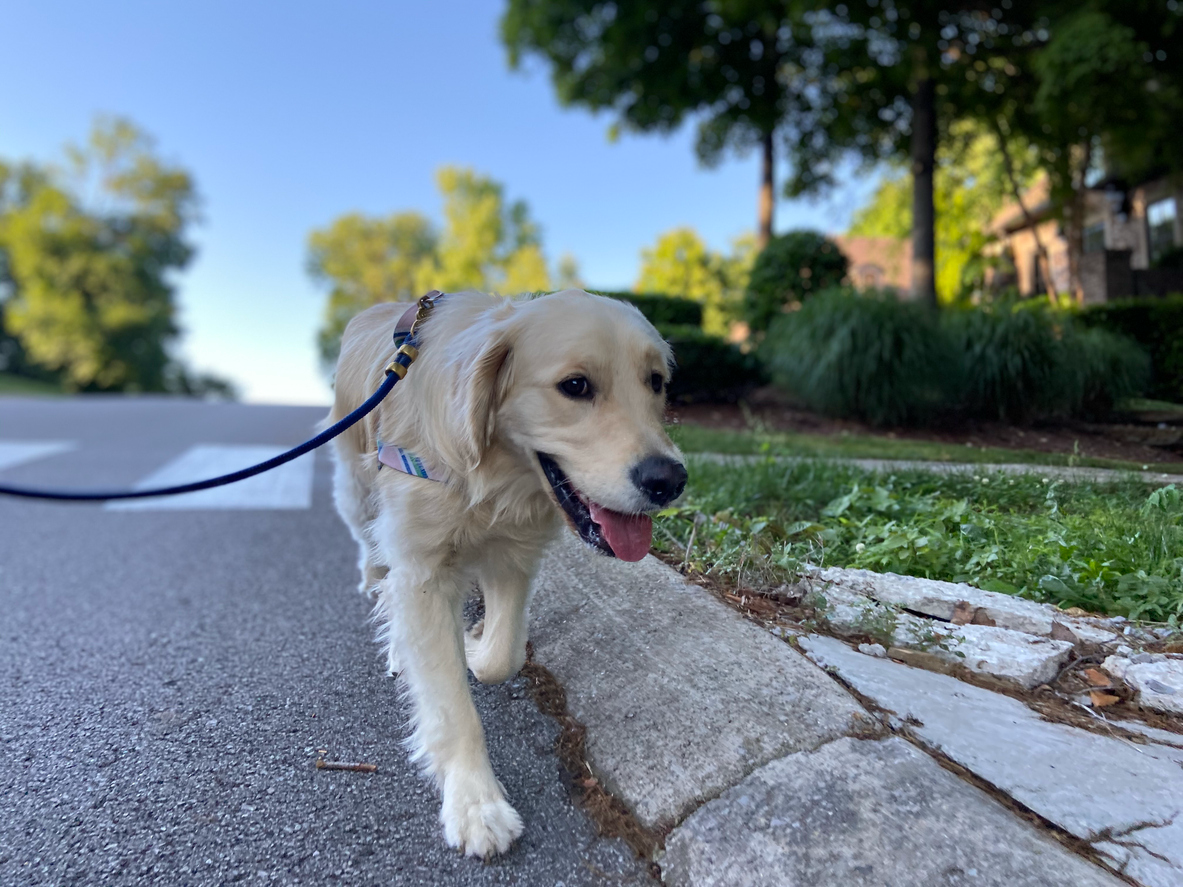
As dogs get older, it is natural for them to become a little less active. However, when a dog starts skipping walks, hesitates before jumping into the car, or struggles to get up after resting, many pet owners are left wondering whether these changes are simply part of aging or a sign of something more.
At Cinema Veterinary Centre, we often hear pet owners say, “I thought he was just getting older.” While age can play a role, slowing down is not always something that should be dismissed. In some cases, it can be a sign of pain, arthritis, injury, or another medical condition that may benefit from treatment.
What Does “Slowing Down” Look Like?
Not all mobility problems involve limping. In fact, many dogs show subtle changes long before obvious signs develop.
You may notice your dog:
- Taking longer to get up after resting
- Moving more slowly during walks
- Hesitating before climbing stairs
- Reluctant to jump into the car
- Sleeping more than usual
- Losing interest in playtime
- Stopping sooner on walks
- Having difficulty getting comfortable when lying down
Because these changes often occur gradually, they can be easy to mistake for normal aging.
Common Reasons Dogs Slow Down
A variety of medical conditions can affect a dog’s mobility and activity level.
Arthritis
Arthritis is one of the most common causes of mobility problems in older dogs. As joints experience wear over time, inflammation can develop, leading to stiffness, discomfort, and reduced flexibility. According to the American Animal Hospital Association’s guidance on pain management in pets, recognizing and addressing pain early can play an important role in maintaining comfort and quality of life.
Dogs with arthritis may seem stiff after resting, move more slowly, or become less interested in activities they once enjoyed.
Joint Conditions
Conditions such as hip dysplasia, elbow dysplasia, and other orthopedic disorders can affect the way a dog moves. These conditions may contribute to discomfort and can increase the risk of developing arthritis later in life.
Injuries
Sprains, strains, ligament injuries, and other orthopedic problems can affect mobility. Some injuries happen suddenly, while others develop gradually through repeated stress on joints and soft tissues.
Excess Weight
Even a few extra pounds can place additional stress on a dog’s joints. Excess weight can worsen existing mobility problems and make physical activity more difficult.
Neurologic Conditions
Problems affecting the nerves, spinal cord, or brain can also lead to weakness, balance issues, or changes in movement.
What About Cats?
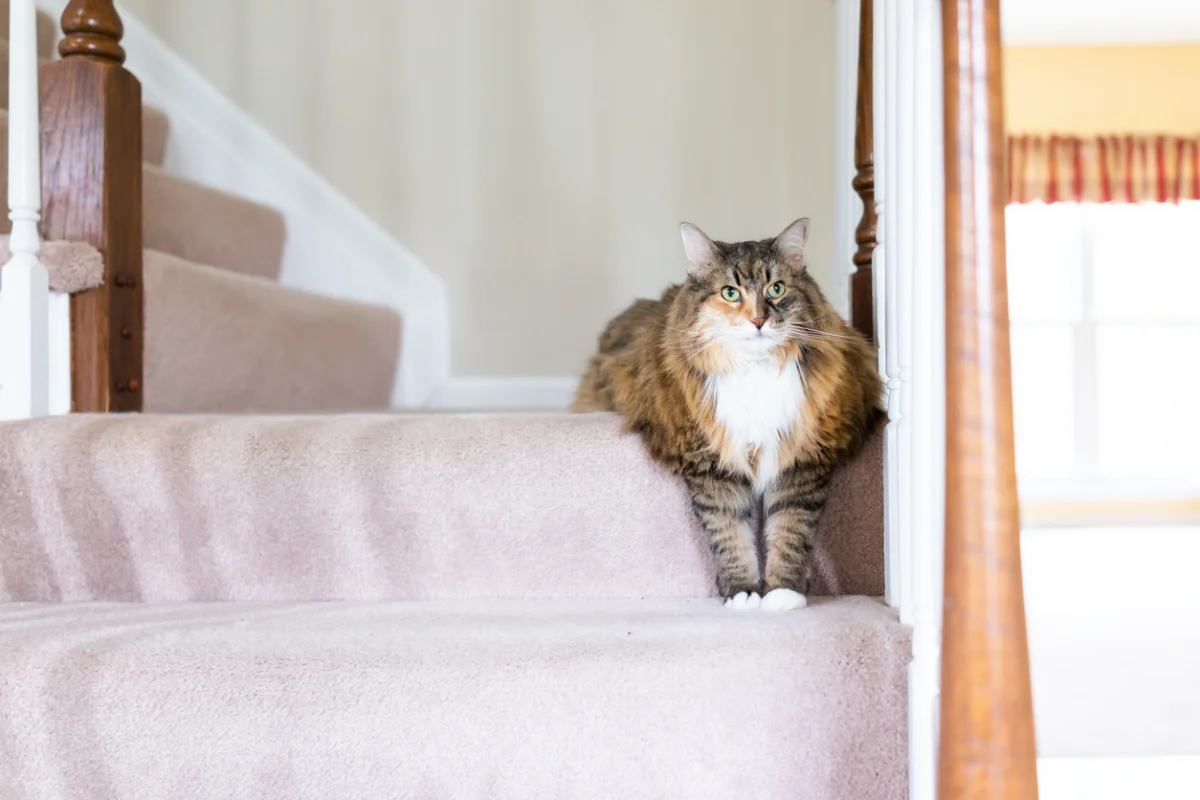
While dogs are often the focus when discussing mobility problems, cats can experience many of the same conditions.
Unfortunately, mobility changes in cats are often overlooked because cats naturally hide signs of discomfort.
A cat experiencing pain may:
- Stop jumping onto furniture
- Sleep in easier-to-reach locations
- Become less active
- Groom less frequently
- Hesitate before climbing stairs
- Show changes in litter box habits
Many cat owners think these changes are simply part of aging when they may indicate an underlying medical condition.
Why Early Evaluation Matters
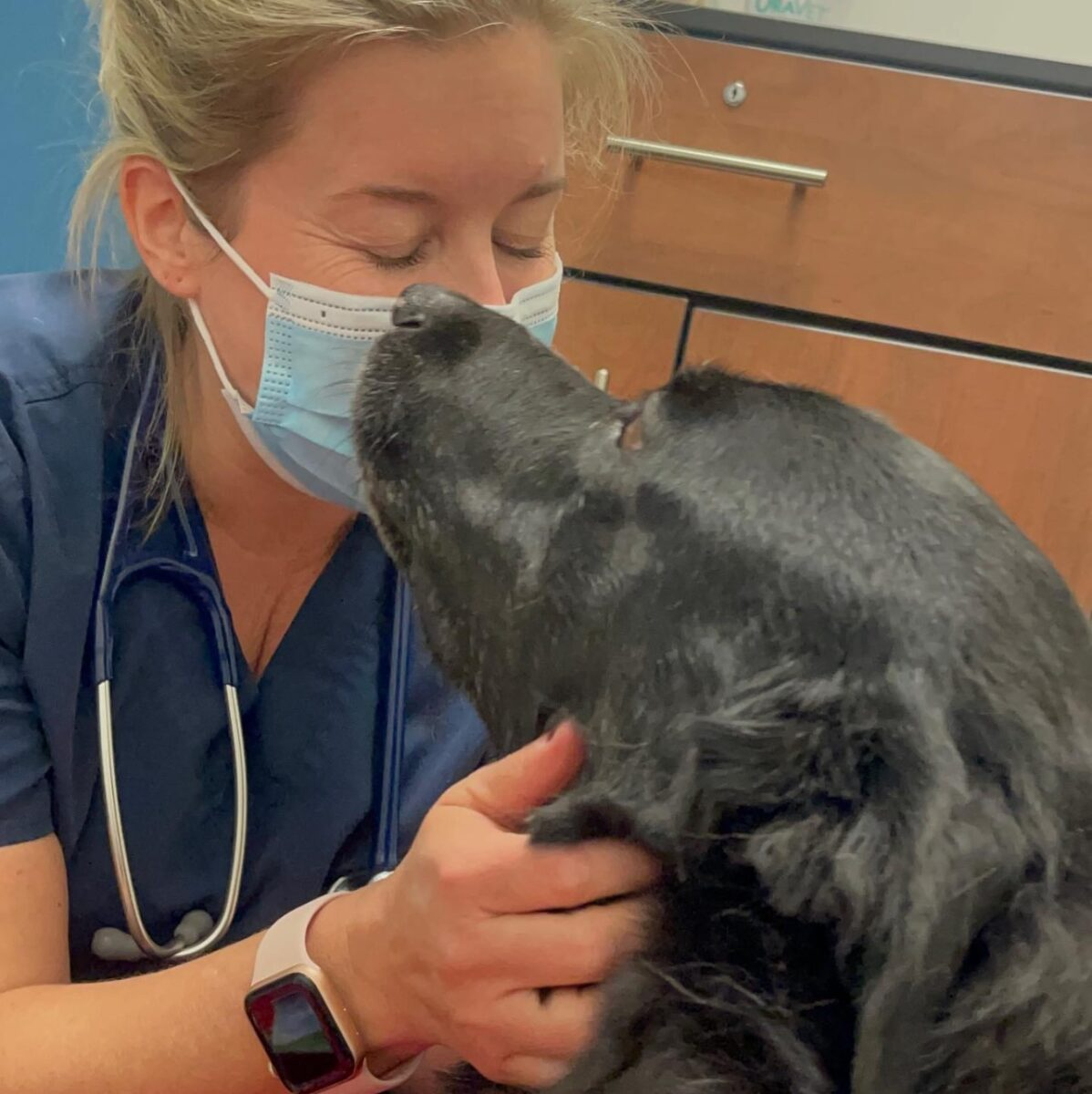
One of the biggest mistakes pet owners make is assuming that slowing down is a normal part of getting older.
While aging can affect activity levels, pain and mobility problems should not be considered inevitable.
Early evaluation can help identify the underlying cause of your pet’s symptoms and create opportunities for treatment before the condition progresses further.
At Cinema Veterinary Centre, we evaluate your pet’s mobility, joint health, muscle condition, and overall physical function to help determine what may be contributing to the changes you are seeing at home. As a Certified Fear Free practice, we are committed to making veterinary visits as comfortable and low-stress as possible for both pets and their owners.
We are often able to help pets that owners thought were simply “showing their age.” Once discomfort is identified and addressed, many pets become more active, engaged, and interested in their normal activities again.
Treatment Options for Pets with Mobility Problems
Treatment depends on the underlying cause of the problem, but many pets benefit from a combination of therapies designed to improve comfort and quality of life.
Weight Management
Excess weight can make mobility problems significantly worse. Even a few extra pounds place additional stress on the joints, which can increase discomfort and make activities such as walking, climbing stairs, and getting up after resting more difficult.
Many pet owners are surprised to learn how much of a difference weight can make. For some dogs and cats, losing excess weight can help reduce stress on the joints and improve overall comfort and mobility.
If excess weight is contributing to your pet’s mobility challenges, our team can help develop a weight management plan tailored to your pet’s individual needs.
Medications and Joint Support
Some pets benefit from medications, supplements, or other therapies that help support joint health and manage discomfort.
Acupuncture
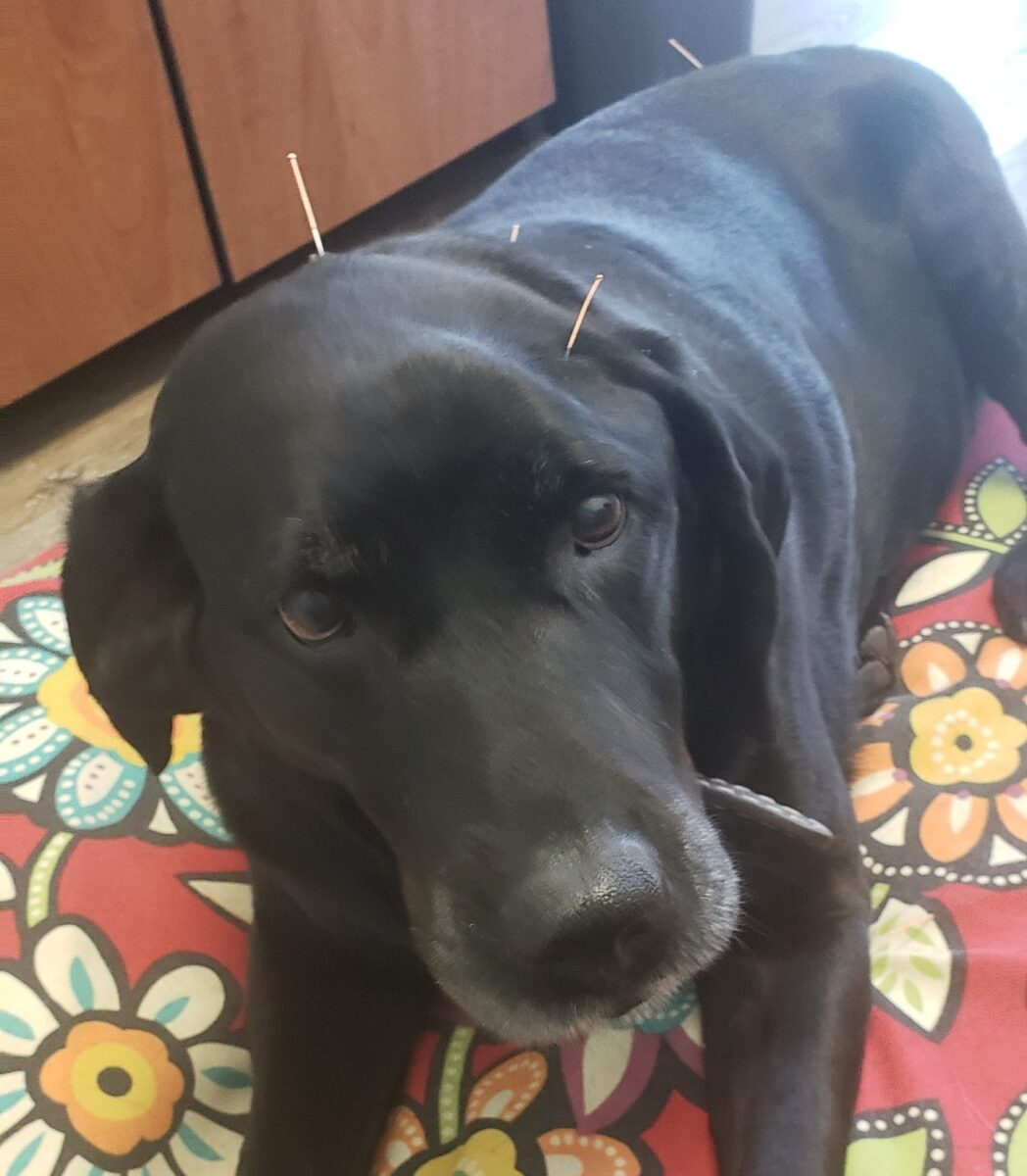
Acupuncture is an increasingly popular therapy for pets experiencing arthritis, mobility challenges, chronic pain, and other conditions that affect quality of life.
At Cinema Veterinary Centre, Dr. Ronchetto incorporates acupuncture into a comprehensive approach to patient care. Acupuncture can help improve comfort, support mobility, and enhance overall well-being, helping pets stay active and engaged in the activities they enjoy.
One of the most rewarding aspects of acupuncture is seeing pets become more comfortable and return to activities that had become difficult for them. Whether it is a dog that enjoys longer walks again or a cat that resumes jumping onto a favorite perch, improved comfort can have a meaningful impact on quality of life.
Hear directly from Dr. Ronchetto about veterinary acupuncture and how it can help pets stay comfortable and active by watching Pet Acupuncture (Official Trailer).
Laser Therapy
Laser therapy is a non-invasive treatment that can help reduce inflammation, improve circulation, and support the body’s natural healing processes. It is commonly used for pets experiencing arthritis, injuries, joint pain, and other conditions that affect comfort and mobility.
By helping address inflammation and discomfort, laser therapy can play an important role in keeping pets active and engaged in their daily activities. When pets move more comfortably, they are often better able to enjoy walks, playtime, and other activities that contribute to their quality of life.
At Cinema Veterinary Centre, laser therapy is often used as part of a comprehensive approach to helping pets maintain mobility, recover from injuries, and enjoy a better quality of life.
Ongoing Monitoring
As pets age, their needs may change. Regular evaluations allow treatment plans to be adjusted over time to help maintain comfort, mobility, and quality of life.
When Should You Schedule an Appointment?
If your dog is having trouble getting up, avoiding stairs, losing interest in walks, or simply isn’t moving the way they once did, it may be time for a veterinary evaluation.
Likewise, if your cat no longer jumps onto furniture, seems less active, or has changes in grooming or litter box habits, an examination can help determine whether discomfort may be playing a role.
At Cinema Veterinary Centre, our team is committed to helping pets stay comfortable, active, and engaged in the activities they enjoy. If your pet is slowing down or showing changes in mobility, contact us to schedule an evaluation. Identifying the cause early can make a meaningful difference in your pet’s long-term health and quality of life.
Frequently Asked Questions
Is it normal for older dogs to slow down?
Some decrease in activity can occur with age, but significant changes in mobility, stamina, or comfort should not automatically be dismissed as normal aging. Many underlying conditions can be managed more effectively when identified early.
Do mobility problems always cause limping?
No. Many pets with mobility problems never develop an obvious limp. Slower movement, difficulty getting up, reluctance to jump, and changes in activity level can all be signs that something is affecting your pet’s comfort.
Why does my cat seem fine except for not jumping anymore?
Cats are exceptionally good at hiding discomfort. For some cats, avoiding jumps may be one of the earliest and most noticeable signs that something is affecting their mobility or comfort.
Can younger pets develop mobility problems?
Yes. Although mobility issues are more common in senior pets, younger dogs and cats can experience injuries, developmental joint conditions, and other health problems that affect movement and comfort.