
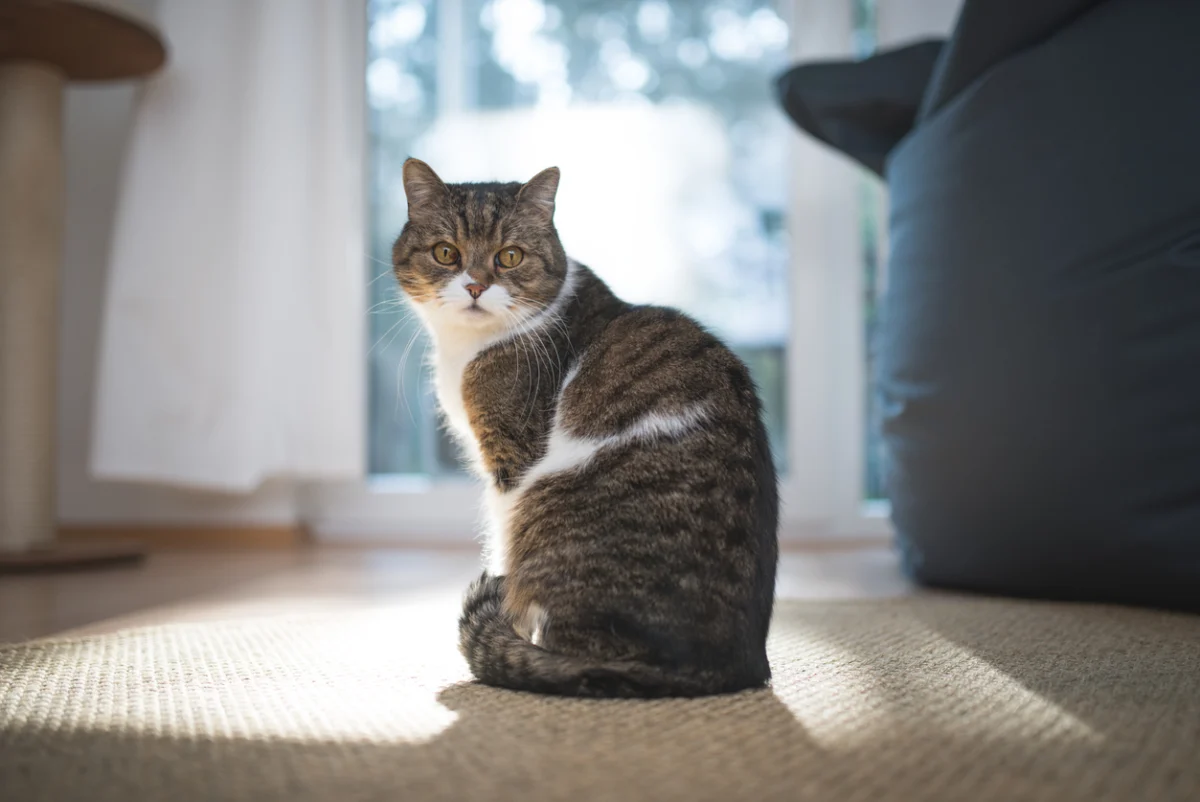
Most cat owners have occasionally discovered vomit on the floor, furniture, or even their bed. An isolated episode may be caused by a hairball or temporary digestive upset. However, repeated vomiting can indicate an underlying medical condition, even when a cat appears healthy between episodes.
At Cinema Veterinary Centre in Santa Clarita, we know that vomiting can have many different causes. Some are relatively minor, while others require prompt medical attention. If you have been wondering why your cat is throwing up, understanding the possible causes and recognizing warning signs can help you know when veterinary care is needed.
Common Reasons Cats Throw Up
Vomiting is a symptom rather than a disease. The underlying cause may involve the digestive tract, something a cat has eaten, or a medical condition affecting another part of the body.
The Cornell Feline Health Center also explains why frequent vomiting should not be dismissed as normal, even when a cat appears otherwise healthy.
Hairballs
Cats swallow loose hair while grooming. Most of this hair passes through the digestive tract, but some may accumulate in the stomach and eventually be expelled as a hairball.
An occasional hairball in an otherwise healthy cat may not be concerning. Regular brushing can help reduce the amount of loose hair your cat swallows, particularly in long-haired breeds.
However, frequent hairballs or vomiting between hairball episodes should not be considered normal. If this is happening with your cat, we recommend scheduling an examination to investigate the cause.
Eating Too Quickly and Regurgitation
Some cats bring up undigested food shortly after eating. Although this is often described as vomiting, it may actually be regurgitation.
Vomiting involves retching and abdominal contractions, while regurgitation typically occurs without noticeable effort. Eating too quickly can contribute to bringing food back up, but disorders affecting the esophagus may also cause regurgitation.
If your cat regularly brings up food after eating, our veterinarians can evaluate the problem to determine whether an underlying medical condition is involved.
Food Changes and Digestive Upset
Sudden changes in diet can upset a cat’s digestive system. Some cats also develop adverse reactions to particular ingredients, resulting in vomiting or diarrhea.
When changing your cat’s food, gradually mix the new food with the old food over 7 to 10 days. Start with a small amount of the new food and increase the proportion every few days until the transition is complete. This can help reduce digestive upset.
If your cat begins vomiting during the transition, contact our team for guidance rather than assuming the new food is responsible.
Gastrointestinal Problems
Several conditions affecting the stomach and intestines can cause vomiting, including intestinal parasites, inflammatory bowel disease, gastrointestinal infections, and constipation.
Severe constipation can cause repeated vomiting, particularly when stool accumulates in the colon. Affected cats may strain in the litter box, pass small amounts of hard, dry stool, or stop passing stool altogether. They may also lose interest in food.
Cats may also swallow objects such as string, ribbon, or small toys that become lodged in the digestive tract. An intestinal obstruction can be life-threatening and requires emergency veterinary care.
Because these conditions can produce similar symptoms, an examination is needed to identify the underlying problem.
Medical Conditions That Can Cause Vomiting in Cats
Vomiting is not always caused by a problem in the digestive tract. Several illnesses affecting other organs can also produce this symptom, particularly in older cats.
Conditions our veterinarians may investigate include:
- Kidney disease: May cause vomiting, increased thirst, changes in urination, reduced appetite, and weight loss.
- Hyperthyroidism: Common in older cats and may cause vomiting, weight loss despite a good appetite, and increased activity or restlessness.
- Diabetes: May cause increased thirst, frequent urination, and weight loss. Vomiting can occur when complications develop.
- Pancreatitis: Inflammation of the pancreas may cause vomiting, reduced appetite, lethargy, and abdominal discomfort.
These conditions often share symptoms, so identifying the cause may require bloodwork or other diagnostic tests. If your cat is vomiting regularly or has developed changes in appetite, weight, thirst, or behavior, we recommend scheduling an examination at Cinema Veterinary Centre.
When Does Cat Vomiting Require Veterinary Attention?
An isolated episode of vomiting in an otherwise healthy adult cat may not require immediate treatment, particularly if the cat resumes normal eating, drinking, and activity.
Keep fresh water available and watch for additional vomiting or changes in behavior. Do not give human medications or over-the-counter remedies without veterinary instructions.
When Cat Vomiting Is an Emergency
Repeated vomiting that continues over a short period can indicate a serious medical problem, even when a cat appears alert and behaves normally between episodes. If your cat continues vomiting or cannot keep water down, seek emergency veterinary care rather than waiting for additional symptoms.
Other warning signs that require immediate emergency veterinary care include:
- Collapse, unresponsiveness, or severe difficulty breathing
- Repeated vomiting accompanied by severe weakness or distress
- A swollen or severely painful abdomen
- Repeated, unsuccessful retching, particularly with signs of pain
- Known or suspected ingestion of a toxic substance or foreign object
- Blood in the vomit or dark material resembling coffee grounds
Cinema Veterinary Centre does not provide emergency veterinary services. If your cat experiences these symptoms, take your cat to an emergency veterinary facility without delay.
When to Schedule a Visit to Cinema Veterinary Centre
If your cat experiences occasional but recurring vomiting, we recommend scheduling an examination at Cinema Veterinary Centre, even if your cat appears healthy between episodes.
We recommend scheduling an examination if your cat:
- Vomits regularly, such as once or twice a week, even without other symptoms
- Experiences occasional vomiting accompanied by changes in appetite, weight, thirst, urination, or behavior
- Frequently brings up undigested food after eating
- Has recurring hairballs or vomiting between hairball episodes
Kittens, senior cats, and cats with existing medical conditions may be more vulnerable to dehydration and other complications. Contact our team promptly if your cat falls into one of these groups and begins vomiting.
Our veterinarians can examine your cat and recommend diagnostic testing when appropriate to determine the underlying cause.
How Cinema Veterinary Centre Diagnoses Vomiting in Cats
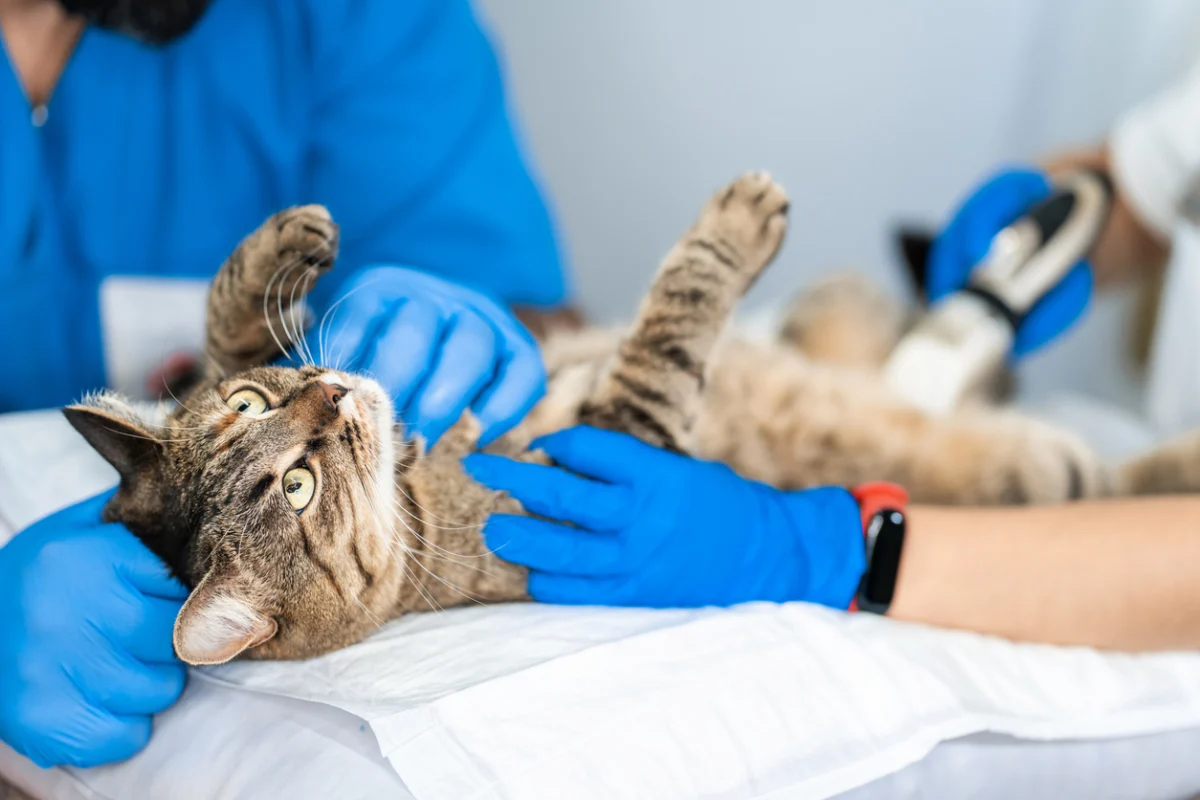
Determining why a cat is vomiting begins with a physical examination and a review of its medical history. At Cinema Veterinary Centre, our veterinarians consider the frequency of vomiting, changes in appetite or weight, recent dietary changes, and litter box habits alongside their examination findings.
Because conditions ranging from severe constipation to kidney disease can produce similar symptoms, diagnostic testing may be recommended to identify the underlying problem.
Depending on the examination findings, testing may include:
- Bloodwork to evaluate organ function and identify metabolic disorders
- Fecal testing to check for intestinal parasites
- Urinalysis to assess urinary and metabolic health
- Digital X-rays to evaluate abdominal conditions, including possible intestinal obstructions
- Ultrasound to examine abdominal organs and soft tissues
Our veterinary services include in-house laboratory testing, full-service reference laboratory testing, digital X-rays, and ultrasound to help investigate vomiting and other medical concerns.
For additional information about diagnostic imaging, read our article, Ultrasound for Dogs and Cats: What it Can Tell Us About Your Pet’s Health.
Once the cause of vomiting has been identified, our veterinarians will explain the findings and discuss appropriate treatment options with you. Treatment may involve medication, dietary management, fluid therapy, or other veterinary care, depending on the diagnosis.
Veterinary Care for Vomiting Cats in Santa Clarita
An occasional hairball may not be a cause for concern, but frequent or repeated vomiting should not be dismissed as normal. Cats can have significant medical conditions even when they appear healthy between episodes.
At Cinema Veterinary Centre, we provide internal medicine services and diagnostic testing to investigate the causes of vomiting in cats. Our veterinarians explain examination findings and recommend treatment based on each cat’s individual medical needs.
If your cat is experiencing recurring vomiting or has developed changes in appetite, weight, or behavior, call Cinema Veterinary Centre at 661-253-9300 to schedule an examination. For symptoms requiring emergency treatment, seek care at an emergency veterinary facility.